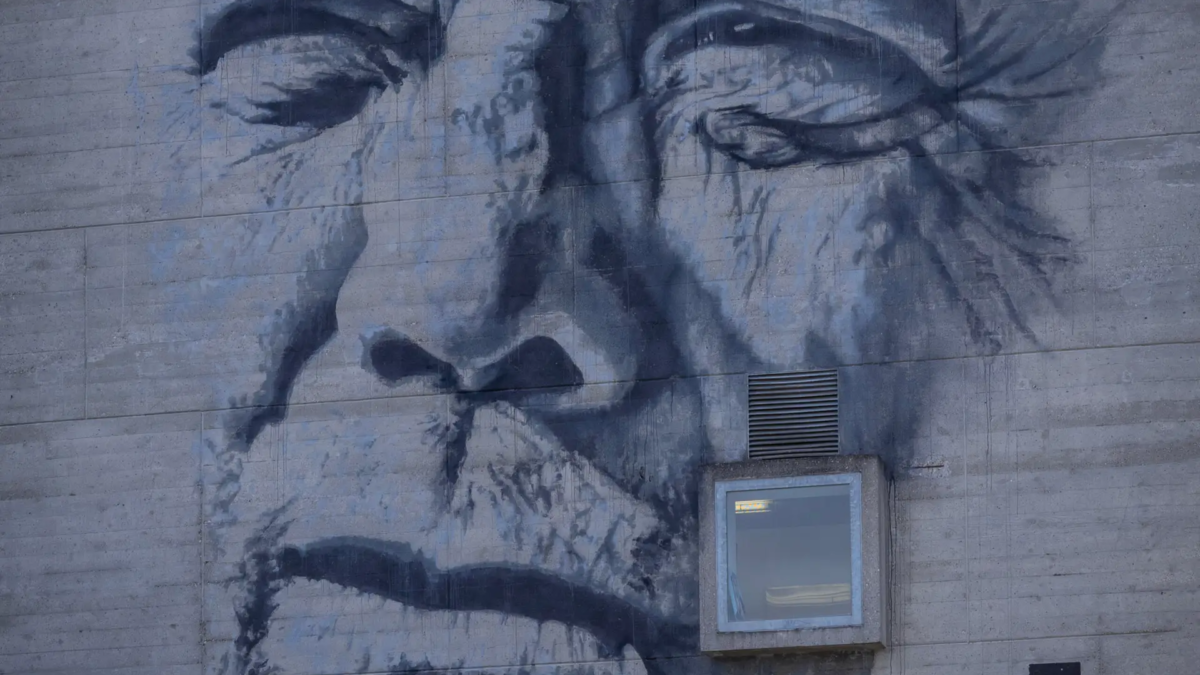
Grafiti on building facade - Dreispitz- Basel

My Journey Creating “Dreispitz: Not What You Might Think”

My Journey Creating

"Dreispitz: Not What You Might Think"

What if a place you thought you knew turned out to be completely different? That’s precisely what happened when I took my camera to Dreispitz. I expected an industrial zone. What I found was a place full of contrasts, history, and an unexpected creative pulse.

The Unexpected Discovery

When I walked into Dreispitz, I was ready to document an industrial landscape: factories, warehouses, and remnants of a functional past. But as I explored, I realized it was more than that. The mix of repurposed spaces, vibrant creative hubs, and untouched industrial relics gave the area a character I hadn’t anticipated.

Spending time there wasn’t just about capturing footage. It was about observing, absorbing, and letting the environment shape my perspective. This place challenged my assumptions, making me want to return, not just as a videographer but as someone eager to understand its transformation.

The Setback That Changed Everything

After what I thought was a successful day of filming, I got home and began reviewing the footage. Only then did I discover that, for some inexplicable reason, everything had been recorded in Full HD instead of 4K. The realization was frustrating.

I had two choices:

Settle for lower-quality footage and try to make it work.
Go back and reshoot everything. This time in 4K, the way I had envisioned it.

The decision was obvious. I had to go back. But rather than seeing it as a setback, I took it as an opportunity to approach Dreispitz with fresh eyes, refining my compositions and shots. In the end, that mistake forced me to rethink my visual storytelling, and I believe the final result was stronger because of it.

The Challenges of Editing My First Full Video

Shooting was the easy part. The real challenge began when I sat down to edit.

This was my first fully edited video project, and I quickly learned that having good footage means nothing if you don’t know how to structure a narrative.

I spent hours experimenting, cutting scenes, adjusting pacing, fine-tuning color grading, and trying to make sense of the countless clips I had captured. At times, it felt overwhelming. Nothing seemed to flow the way I envisioned. But then came breakthroughs, small victories in refining the rhythm, balancing industrial grit with creative warmth, and making each transition feel intentional.

One of the biggest lessons I took from this project was patience. Editing isn’t just about technique. It is about storytelling. Every decision, whether it was a cut, a color adjustment, or a change in pacing, had to serve the overall narrative.

What This Experience Taught Me

Beyond the technical skills, this project taught me to trust the process.

Dreispitz wasn’t just a location. It became a playground for my creativity. The setbacks, the challenges in post-production, and the satisfaction of seeing everything come together reminded me why I started exploring videography in the first place.

Would I do things differently next time? Absolutely. But that’s the beauty of learning. Every project shapes the next.

🎥 Watch the Final Video!

If you haven’t seen the final video yet, you can watch it here:
📍 On my website
📍 On YouTube

Have you ever been surprised by a place you thought you knew? 

Drop a comment. I’d love to hear your experiences!

🔔Want to follow my creative journey? 

Subscribe for exclusive behind-the-scenes content and more → Join here!
Stay Updated!

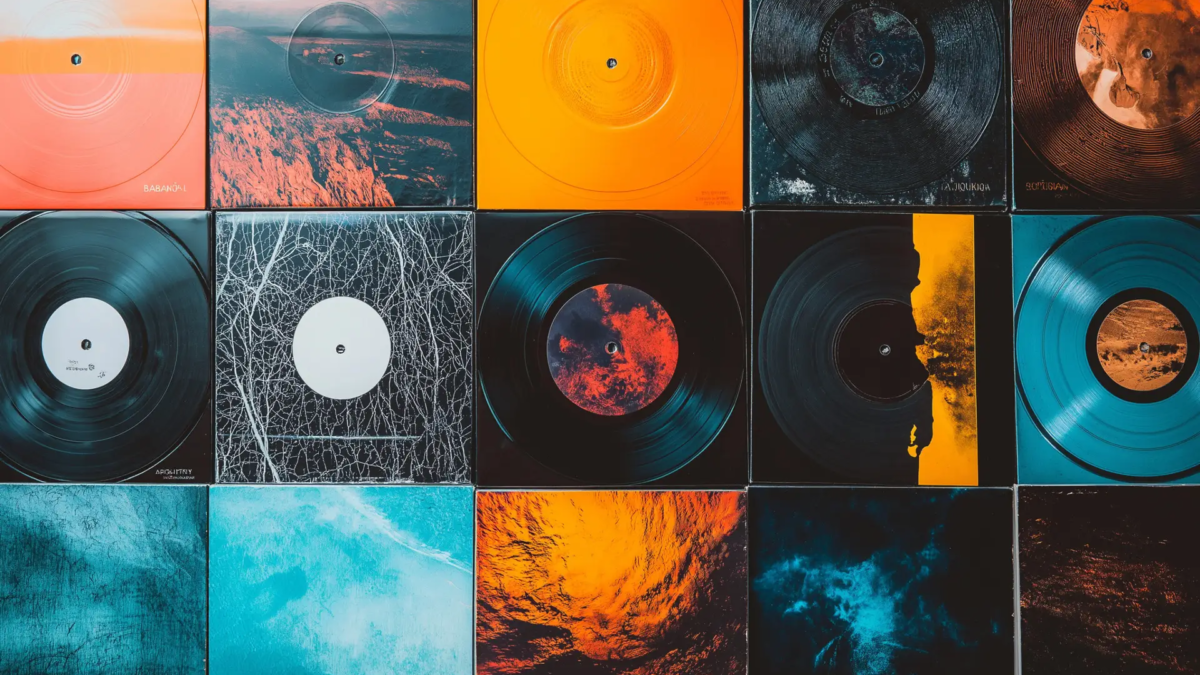
Collection of vinyl records covers panoramic background - The Art Of DJing

The Art of DJing

The Art of DJing

A Conversation Between Music and Emotion

For me, DJing is more than just playing tracks. It is an artistic expression, like photography and videography. It is a way to externalize my state of mind, to channel thoughts, emotions, and energy into sound. It is a form of communication, a way to build a connection with those who share my love for music.

DJing is about selection, but it is also about technique. It is about creating a seamless dialogue between songs, blending them smoothly, allowing each track to breathe, and giving it the space it deserves. The beauty of DJing lies in its ability to weave frequencies together, let the music speak for itself, and shape a sonic experience that unfolds naturally.

A DJ set is not just a random selection of songs. It is a journey. Sometimes, I start with a track that has a deep meaning for me, a message I want to convey. From there, I develop the set, following a sonic path that reflects my emotions. And yet, I love to introduce the unexpected, disrupt patterns, and surprise the audience. The final track is never a coincidence. It is always a closing statement, whether it is a farewell, a reflection, or an invitation to think beyond the music.

Of course, DJing is also about reading the room. I always aim to stay true to my artistic vision, but there is an undeniable need to balance that with the energy of the space, the expectations of the crowd, and the venue itself. It is a delicate compromise, a conversation between my idea of a DJ set and the audience’s reaction. Adjustments are inevitable, but the essence of my musical message remains intact.

Ultimately, DJing is about creating an experience that transcends sound. It is about forming an almost intuitive connection with those on the dancefloor. It is about guiding them through a story, making them feel something, and, if only for a moment, sharing a deep, unspoken understanding through music.

🎧 If you enjoy exploring music beyond the mainstream and want to stay updated on my latest DJ sets, insights, and projects, subscribe to my blog! Let’s continue this conversation together.

Stay Updated!

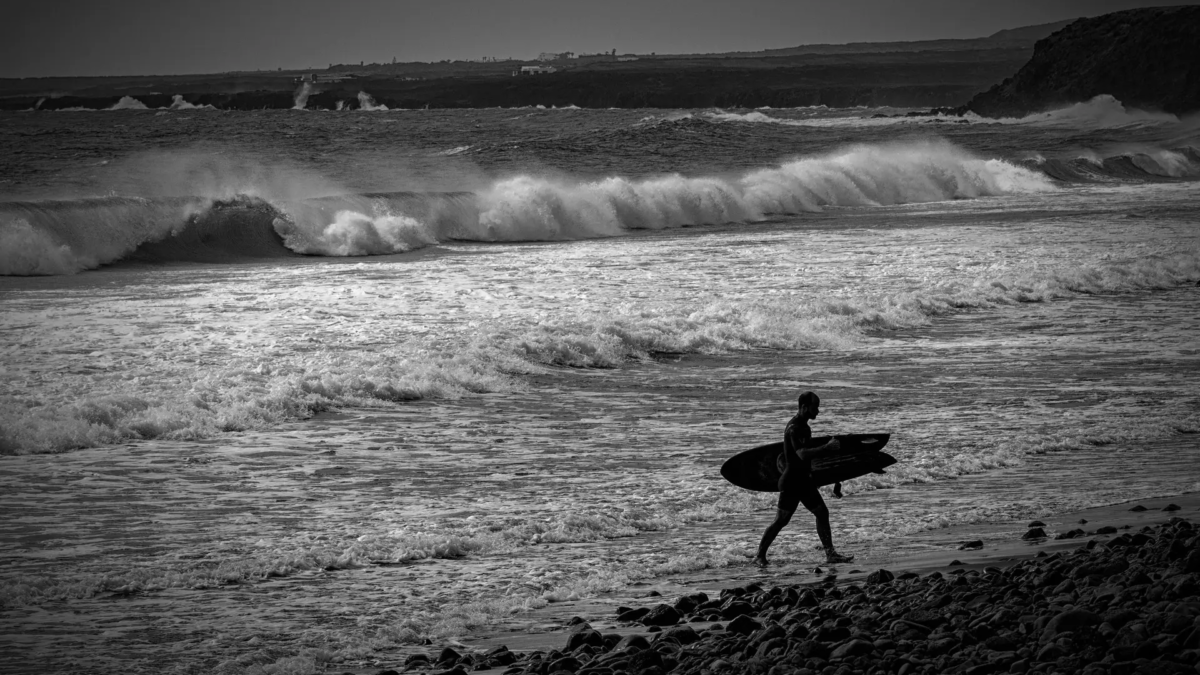
a surfer in silhouette coming out of the ocean with its massive waves in the background - Why I Photoraph - Article

Why I Photograph: Capturing What Resonates with Me

Why I Photograph

Capturing What Resonates with Me

I photograph because, in that instant, I want to affirm something that resonates with me. Photography is my way of stopping time, of saying: “This moment, this scene, this feeling—it matters to me.

Sometimes, my choice is driven by emotion. A landscape, a street, or even a fleeting expression on someone’s face can strike something profound inside me. Other times, it’s about how light interacts with a subject, the contrast of shadows, or a particular geometric composition. There’s no fixed formula, no conscious pattern. It’s instinctive. I see something, and I know: this needs to be captured.

Most of the time, my instinct leads me toward landscapes. The vastness of nature, the way colors shift with the time of day, the power of an untouched horizon—this is where I feel most at home. But that doesn’t mean I shy away from architecture, travel, portrait, or street photography. There’s something equally compelling about human-made structures, about the rhythm of a city, and about the fleeting, unscripted moments that unfold in the streets.

Yet, not every scene can be captured. There have been moments when my camera couldn’t translate what I felt, or technical limitations or restrictions made it impossible to take a photo. In those cases, all I have is memory. Sometimes, I write down what I saw, trying to preserve it in words. But mostly, those moments stay with me, etched into my mind as something personal, something I wish I could have shared.

And that, ultimately, is why I photograph. I want to share. I want to show people—whether close friends or complete strangers—what I see, what I feel, and what moves me. I want to give others a chance to perceive something through my lens, evoke emotions, and communicate ideas through images rather than words. My photography is no longer just for me. It’s my way of opening up to the world.

Stay Updated!

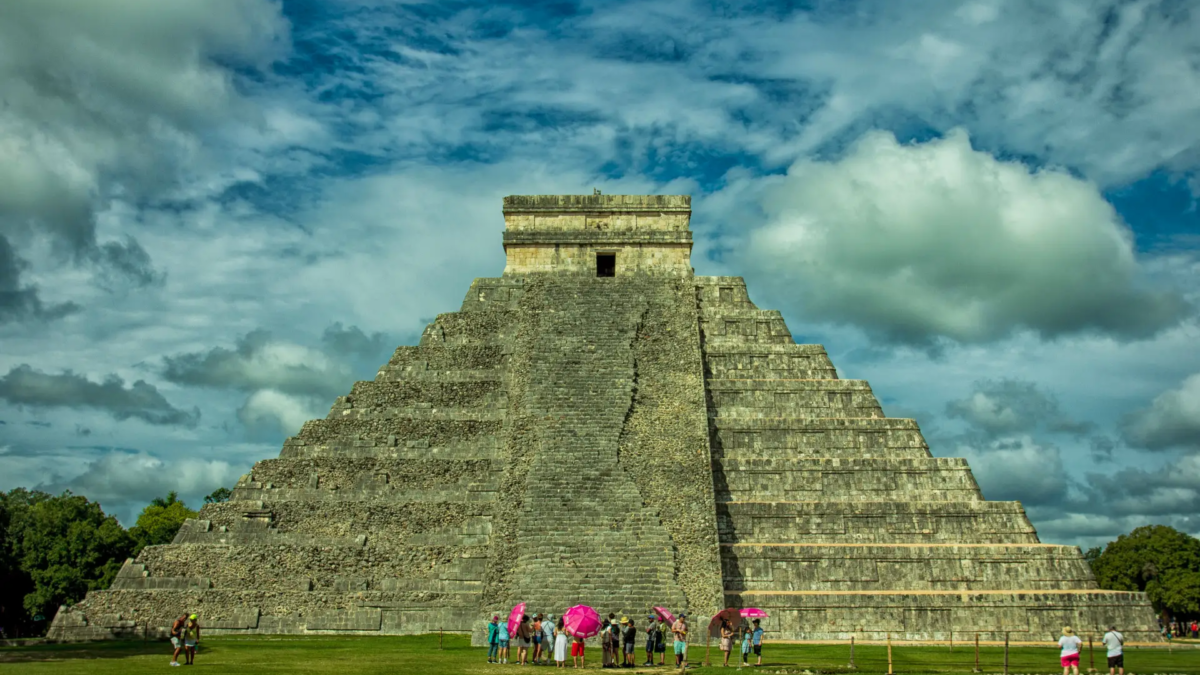
Chichen Itza - Pyramid of Kukulkán - Travel Photography - My First steps in Videography

My First Steps in Videography: A Journey Through Mexico

My First Steps in Videography

A Journey Through Mexico

It all started when I booked a two-week trip to Mexico in late 2023. I’d always been fascinated by the country, its landscapes, and its rich history, especially the Mayan and Aztec cultures. In fact, one of my earliest school projects as a child was about the Aztecs, though I can’t recall how I first became aware of these ancient civilizations.

As the trip drew closer, I felt a sense of excitement I hadn’t experienced in years, almost like a child before a big adventure. I wanted to capture every possible moment of this journey, from the stunning landscapes to the vibrant culture. To do that, I decided to fully equip myself: I brought my action camera, trusty camera and lenses, and smartphone. With this combination, I felt ready to document everything the trip had to offer.

During those two weeks, I recorded countless moments, both big and small. While I’ve only shared short clips on Instagram and TikTok so far, this journey marked the beginning of my fascination with videography. It’s a medium that feels different from photography. It allows me to explore motion, sound, and atmosphere in ways I never could before.

What intrigues me most about videography is the power of editing. Unlike photography, which often captures a singular moment, videography gives you the flexibility to tell multiple stories from the same experience. The footage you collect can be shaped, reshaped, and reimagined, creating entirely different narratives depending on your approach. It reminds me of Raymond Queneau’s Exercises in Style, where the same story is told in countless variations. Videography offers that same creative freedom, the ability to focus on different details, shift perspectives, and alter the mood, all within the same set of clips.

Although I’m still at the very beginning of this creative journey, I’m excited by the possibilities that videography offers. It’s about capturing not just what I see but the feeling of being there, the essence of the place, and the experience. For now, I’m focused on learning as much as I can, from shooting techniques to editing, and I’m looking forward to growing in this new field.

Stay Updated!

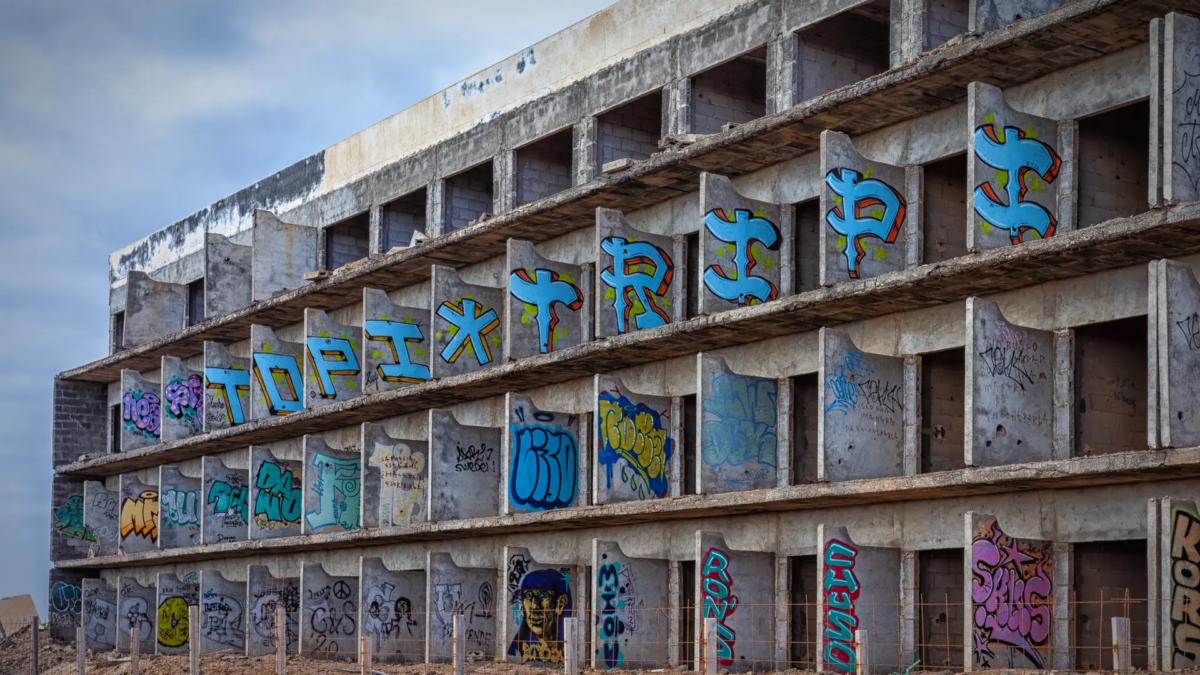
The skeleton of a possible future resort under construction, in the middle of nowhere on the island of Lanzarote, which has become a canvas for writers and graffiti artists

Photography as a Moment of Connection

Photography as a Moment of Connection

When I photograph something, it’s not about following a strict technique or creating a perfect image. For me, it’s about connection—finding something in a subject that stirs something inside me. It could be a sense of wonder, admiration for beauty, curiosity, or even the urge to uncover a deeper story.

During a recent trip to LanzaroteI came across the skeletal remains of a massive building in the middle of nowhere. Perhaps it was meant to be another resort, but it was left unfinished, abandoned to time and nature. Writers had left their marks on the concrete walls, turning decay into art. One piece stood out to me, and I found myself wondering: how would the artist want their work to be seen? After spending a few minutes reflecting on the angles, the light, and the mood, I took the shot. I like to think I captured it in the way the artist might have intended.

That’s how I approach photography—guided entirely by instinct. I observe everything around me, letting the details and the atmosphere reveal themselves. I adjust my aperture to decide how much depth of field or detail I want, set the exposure, and then capture the moment. It’s nothing complicated, but for me, it’s everything.

Every photo is unique because it marks the moment I truly see and feel a place when I am definitely part of it. It’s when I’ve observed, taken in the surroundings, and found the one thing that grabs me. Sometimes, nothing grabs me. I’ve walked away from subjects others would call extraordinary or iconic simply because they didn’t spark that connection for me.

What I hope to share through my photos is the beauty I see, the sensation of being present in that place, of being a part of it. I want viewers to notice the details, the forms, the colors—perhaps even to think what I thought or felt when I pressed the shutter.

Photography, for me, isn’t about impressing others or chasing what’s trendy. It’s about being present, seeing deeply, and inviting others into that same experience. Maybe it’s a bit unconventional, but it’s honest.

Stay Updated!

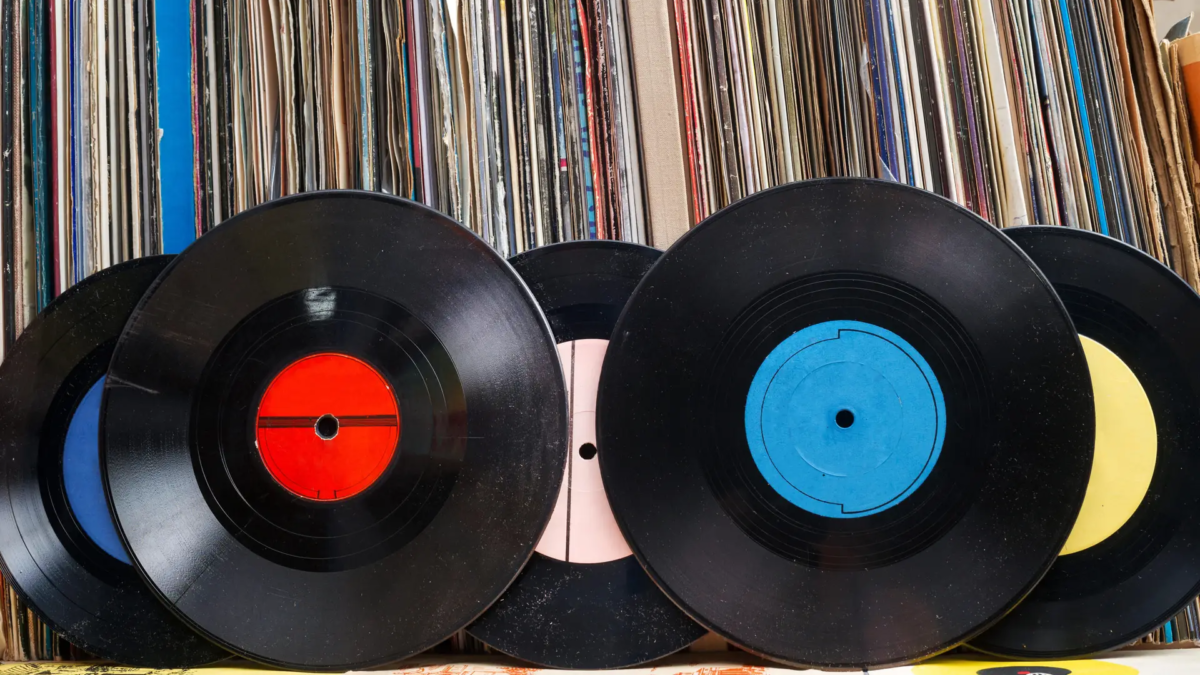
Two vinyl records before a collection of albums, mixing across genres concept.

Why I Love Mixing Across Genres

Why I Love Mixing Across Genres

One of the greatest joys of being a DJ is the freedom to craft a journey, a sonic experience that unfolds over time and invites the audience to explore new musical landscapes. This is where mixing across genres becomes not just a technique but an art form.

I can fully realize this vision when I am given complete control over a venue, especially in more intimate settings with audiences of 150 to 300 people. Unlike large clubs with tighter constraints, these smaller spaces allow me to develop a DJ set over hours, carefully constructing a narrative that evolves organically.

I usually begin with downtempo electronic music, which is melodic yet textured, featuring bleeps and glitches, and is often purely instrumental. This stage is about acclimating the audience, giving their ears and minds time to adjust to the unique soundscape I will be creating for the rest of the night. Slowly and gradually, I increase the tempo, moving into glitch IDM.

From there, I shift into a more prolonged phase of Organic, Melodic, Deep, and Progressive House. These genres provide the perfect balance: engaging enough to get bodies moving yet mellow enough to allow people to enjoy their drinks and conversations. This warm-up is essential, laying the foundation for what is to come.

As the energy in the room builds, I transition to Electro House and then Electro, allowing the BPM to rise steadily. By now, the audience is more involved, and I carefully read the room, gauging when to push forward or pull back. Tech House and higher BPM tracks bring the energy to a peak, but I always leave space to pause, giving people a chance to catch their breath, grab a drink, or recenter themselves. These moments of respite are as crucial as the high-energy tracks; they keep the flow dynamic and ensure the audience can reenter the groove when they are ready.

Toward the end of the night, I shift into Bass House, Breakbeat, and even 140 tracks. The room is alive, and the audience is fully immersed. But my favorite moment of every set is the closing track. I love to end with a song that stands apart from the rest, not just musically, but in its message. Whether it is a heartfelt farewell or a profound concept woven into the lyrics, I want to leave the audience with something meaningful to carry with them as they head home.

Mixing across genres is not just about variety; it is about building an emotional and physical connection with the audience. Each transition is a conversation, each track a stepping stone on a shared journey. For me, there is no greater reward than watching people lose themselves in the music and come away feeling like they have been part of something unique and unforgettable.

Stay Updated!