
3 Fine Art Awards
That Gave Me Real Answers
I decided to take part in a few fine art awards for the first time in 2025.
The main reason wasn’t to win anything. I didn’t need confirmation or external approval. What I needed was a way to understand how my photography stood in terms of quality and artistic positioning, beyond what friends, acquaintances, or supportive people around me were telling me.
When you receive compliments from people who know you, it’s hard to know how much is real and how much is just kindness or personal bias. I wanted to step outside that comfort zone and see what happens when your work is evaluated coldly, without introductions or context. Just the images.
At the same time, I am in the middle of preparing my business, Muller Drohnendienst.
In the business I’m building, my work as a photographer and videographer is aimed at a specific group of clients: small and mid-sized architecture studios, real estate agencies, museums, galleries, and other cultural or design-oriented institutions. The core of what I offer is aerial photography and video, captured by drone. Ground-based work is available as an additional option, but it is not the central focus. This is a service built around precision, clarity, and visual consistency.
Submitting to fine art awards during this phase made sense. I wanted to understand the true quality of my photography, beyond internal judgment.
The results I received gave me a clear signal. I can now say with confidence that I’m offering a type of photography that is not only technically solid but also artistically relevant. This matters because the images and videos I provide are not meant to follow a standard visual language. On the contrary, they are designed to stand out. They carry a personal signature, my own, which becomes an added value. Clients who choose to work with me won’t just get high-end visuals. They’ll get a distinct approach, one that aims to elevate their projects through style, substance, and difference.
Submitting to fine art awards felt like a concrete way to do that. It was a small but meaningful step to understand where I stood and how the images I make could be read by people I don’t know, under criteria I don’t control.
I submitted to three different fine art awards:
Luxembourg Art Prize, Homiens and Arts for Hearts.
None of them were strictly photography contests.
Each accepted various forms of visual art.
But I submitted photographs to all three, because that’s the medium I work with, and the one I wanted to present for what it is.
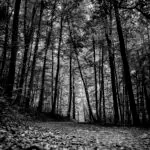
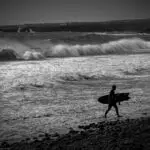
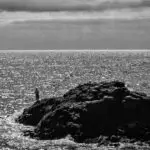
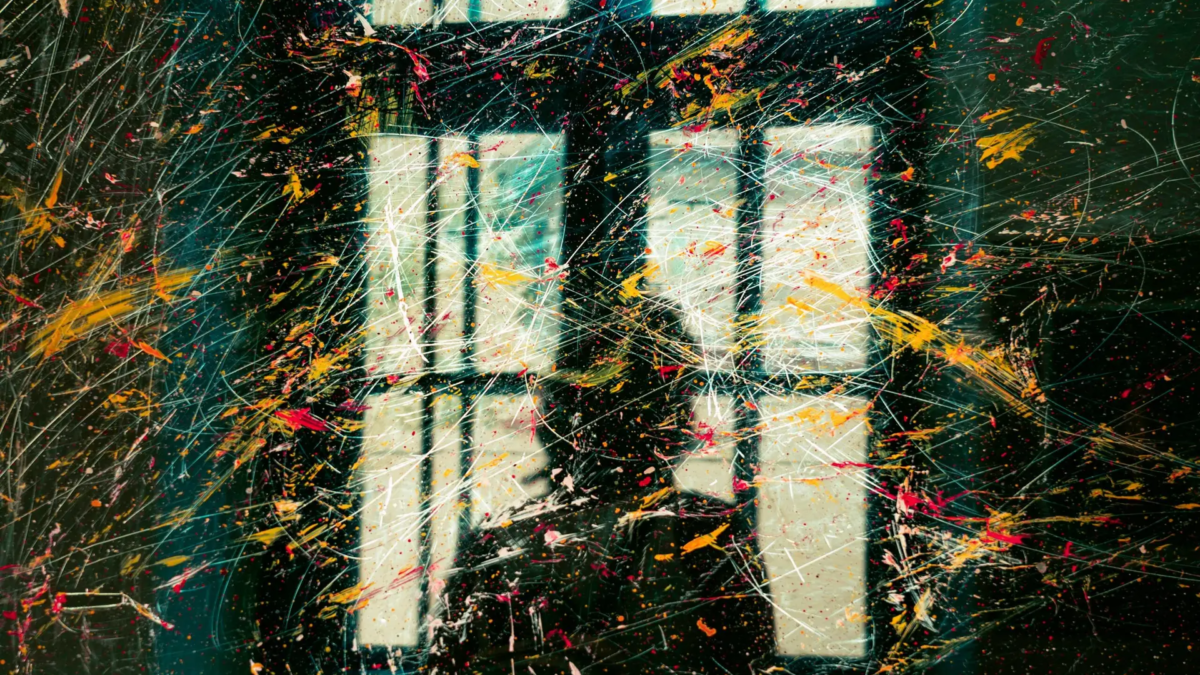
For both the Luxembourg Art Prize and Homiens, I submitted the same series: States of Being, consisting of three images: In the Shape of Protection, I’ll Take a Breath and Come Back, and Inner Peace in the Vastness of the World. These are works that feel connected to me on a deeper level. I didn’t spend days overthinking the selection. I just knew they were right.
For Arts for Hearts, I wanted to submit the same series. But their format didn’t allow for series submissions. So I had to present ten individual works. I kept the three from States of Being, and added seven more that felt equally personal and meaningful. The selection process took a bit more time, but I still followed the same logic: no strategy, just clarity and consistency.
Then the results arrived.
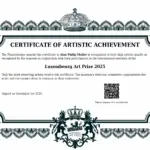
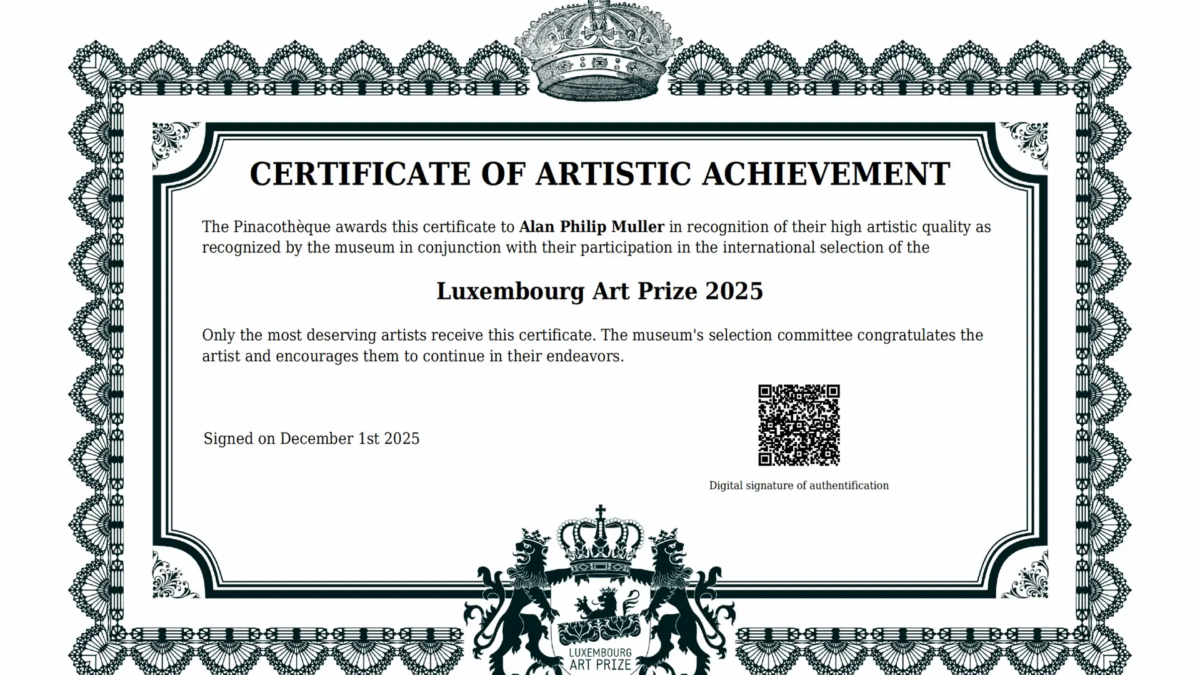
From the Luxembourg Art Prize, I received a Certificate of Artistic Merit.
From Homiens, I received a “Highly Commended” mention.
From Arts for Hearts, a collaborative post was published on Instagram featuring one of my images and tagging my profile directly.
Nothing dramatic. No medals, no interviews, no cash prizes.
But something meaningful: an external sign that someone took the time to look at what I do and found something in it.
That’s exactly what I needed. Not to be praised, but to understand that I was positioning myself in a space where the work could speak for itself. And it gave me one more element to use as I continue shaping the direction of my business and my photography practice.
If I had to give myself advice a year ago, before submitting, I’d keep it simple.
Don’t be afraid of the jury’s judgment, even if it’s negative.
Submit your work.
Only by doing that can you understand whether the direction you’re taking as an artist is the right one for you. And only by stepping into these unfamiliar spaces can you get clues about what to improve, what to question, and what to strengthen.
This first experience with fine art awards was exactly what I hoped it would be. A confrontation, not a celebration. A moment to test myself against unfamiliar standards and to collect honest feedback, without explanations, without excuses.
I will submit my work again in the future. Not constantly, not obsessively, but whenever I feel I have the right material for it. I plan to participate again in the Luxembourg Art Prize and in Homiens, specifically, because both gave me meaningful responses. And I’ll do it with the same intention as this time: to evaluate where I stand, to grow, and to understand more about the kind of artist I’m becoming.
Stay Updated!